What are the symptoms of spinal stenosis?
Spinal stenosis symptoms vary according to the location of the nerve compression. Some people with spinal stenosis do not experience symptoms, but the narrowing can be detected on a magnetic resonance imaging (MRI) or computed tomography (CT) scan.
Here are the symptoms of spinal stenosis according to the location:
Cervical spine
Spinal stenosis in the neck causes upper body pain and symptoms like numbness or tingling. They mostly occur in the shoulders, arms, and neck. However, in some cases, symptoms can affect the feet and legs.
Lumbar spine
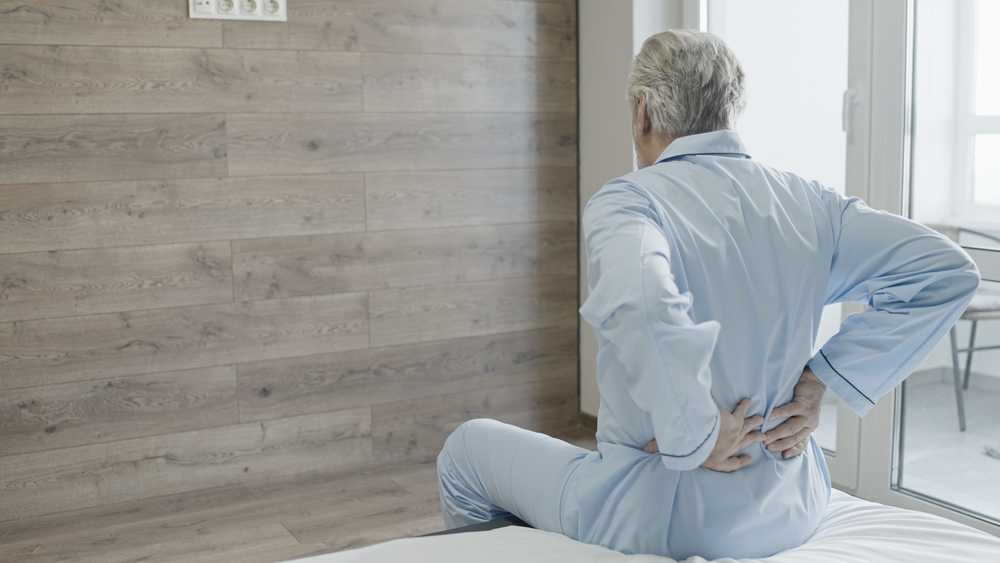
Spinal stenosis in the lower back exclusively affects the legs, feet, and lower back. It causes symptoms like numbness, tingling, weakness, pain, and cramping.
How is spinal stenosis treated?
Managing the symptoms of spinal stenosis is possible with evidence-based care at Alturas Pain & Spine Specialists. Dr. Oliver first evaluates you and makes sure the diagnosis is precise before proceeding with treatment. She can then develop a care plan that accommodates your needs. It may include:
- Oral medications
- Physical therapy
- Corticosteroid injections
In some cases, but not all, spinal stenosis requires surgery. It’s usually a last resort after you’ve tried nonsurgical strategies with little or no improvement. Laminectomy, or decompression surgery, is the most widely used technique for treating spinal stenosis.
If you experience symptoms that may come from spinal stenosis, call Alturas Pain & Spine Specialists for a professional evaluation, or book an appointment online today.